
headquartered in Saskatoon
Indigenous Gaming Regulators (IGR)
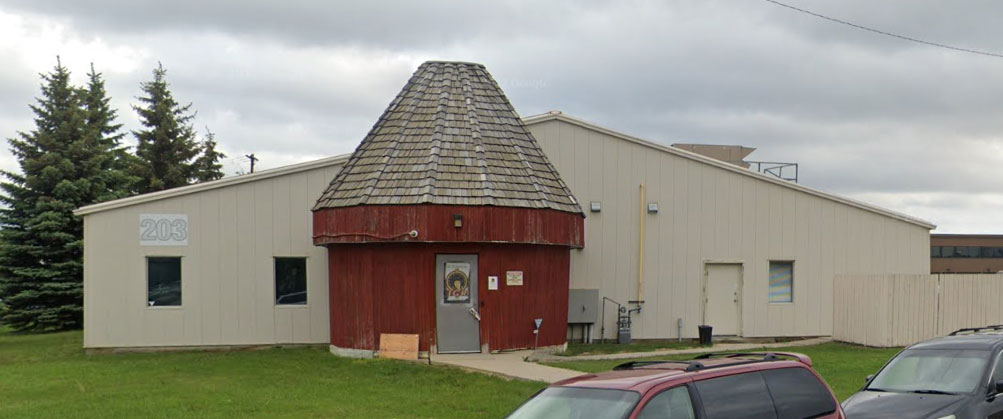
We are located in Saskatoon, Saskatchewan on the Asimakaniseekan Askiy Reserve which is part of Muskeg Lake Cree Nation.
The primary goal of IGR is to license and regulate the on-reserve charitable gaming activities of those First Nations that have designated IGR as their regulator through Band Council Resolution (BCR). Regulation by IGR includes the licensing of charitable gaming operations and the registration of on-reserve gaming employees.
Guiding Tomorrow’s Policies to Safeguard Yesterday’s Legacy
Regulating the Future to Preserve the Past
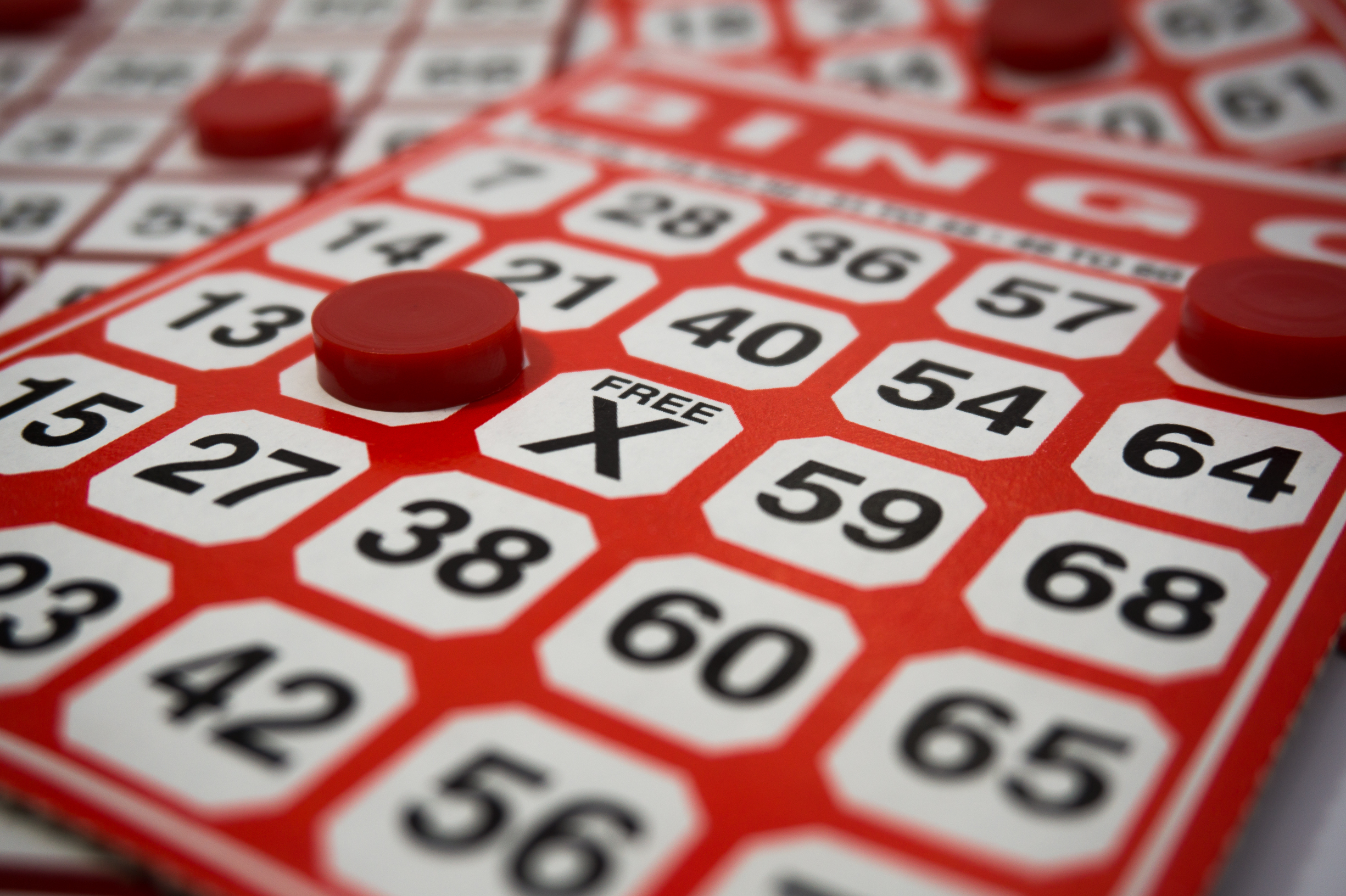
OPERATIONS LICENSED BY
IGR Include
- Bingos
- Breakopens
- Raffles
- Texas Hold’em Poker
- Monte Carlo Events
- SIGA Table Games
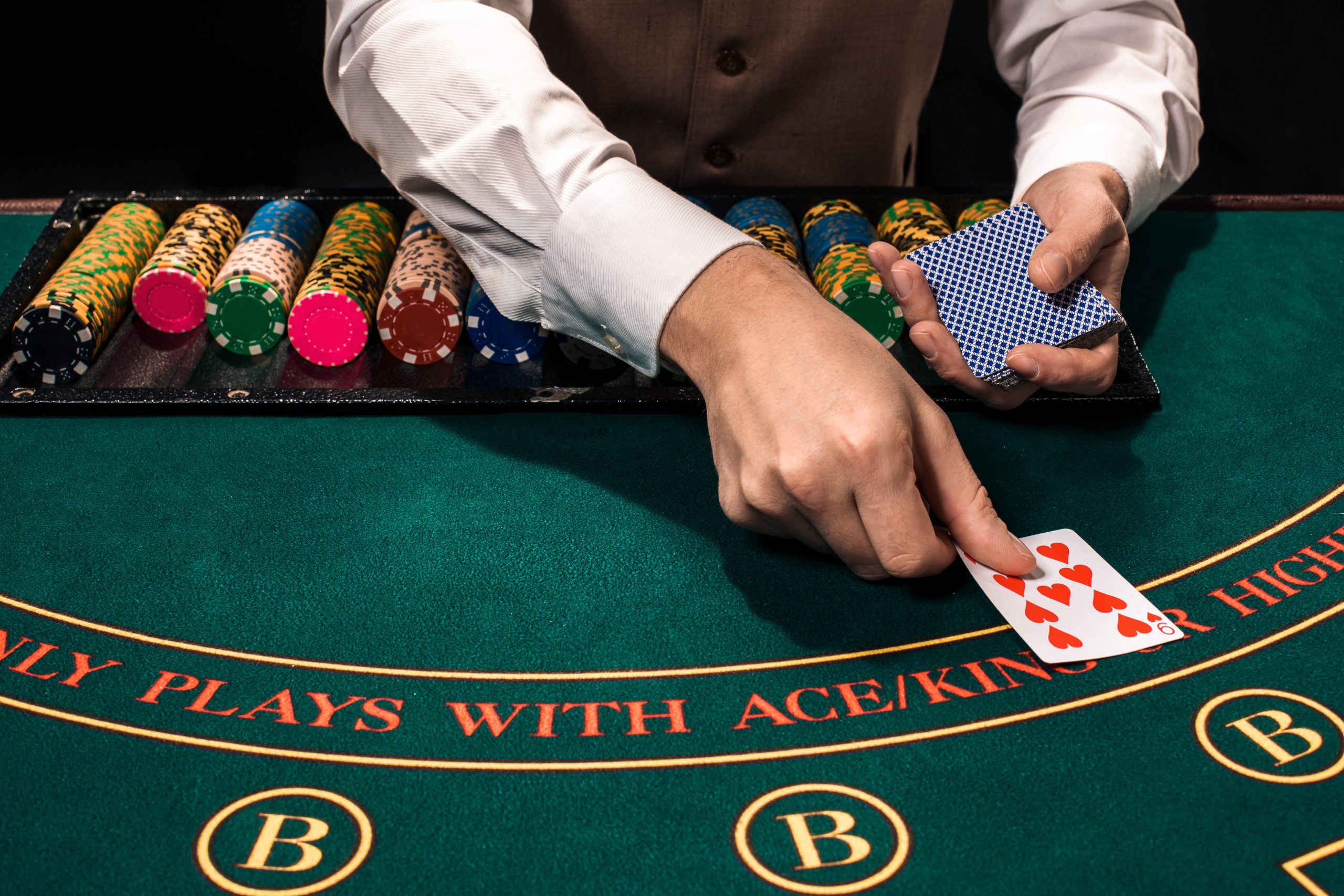
GAMING EMPLOYEES REQUIRED TO BE
Registered by IGR
IGR’s responsibility for the control and regulation of charitable gaming on designated reserves in Saskatchewan includes the registration of on-reserve gaming employees.
An IGR Gaming Employee is a person employed in an on reserve gaming-related capacity by a charitable gaming license, a casino, a bingo hall or bingo association. Employees that are required to be registered by IGR include on-reserve SIGA employees and key employees in on-reserve Bingo Halls, such as managers and callers.
A person who works strictly as a volunteer and is not paid does not need to be registered.

IGR Works Within