Gaming / forms
What is Charitable Gaming?
Under the Criminal Code of Canada all gaming activity is essentially illegal. However, there are exceptions, such as licensed gaming, regulated by a licensing and regulatory authority.
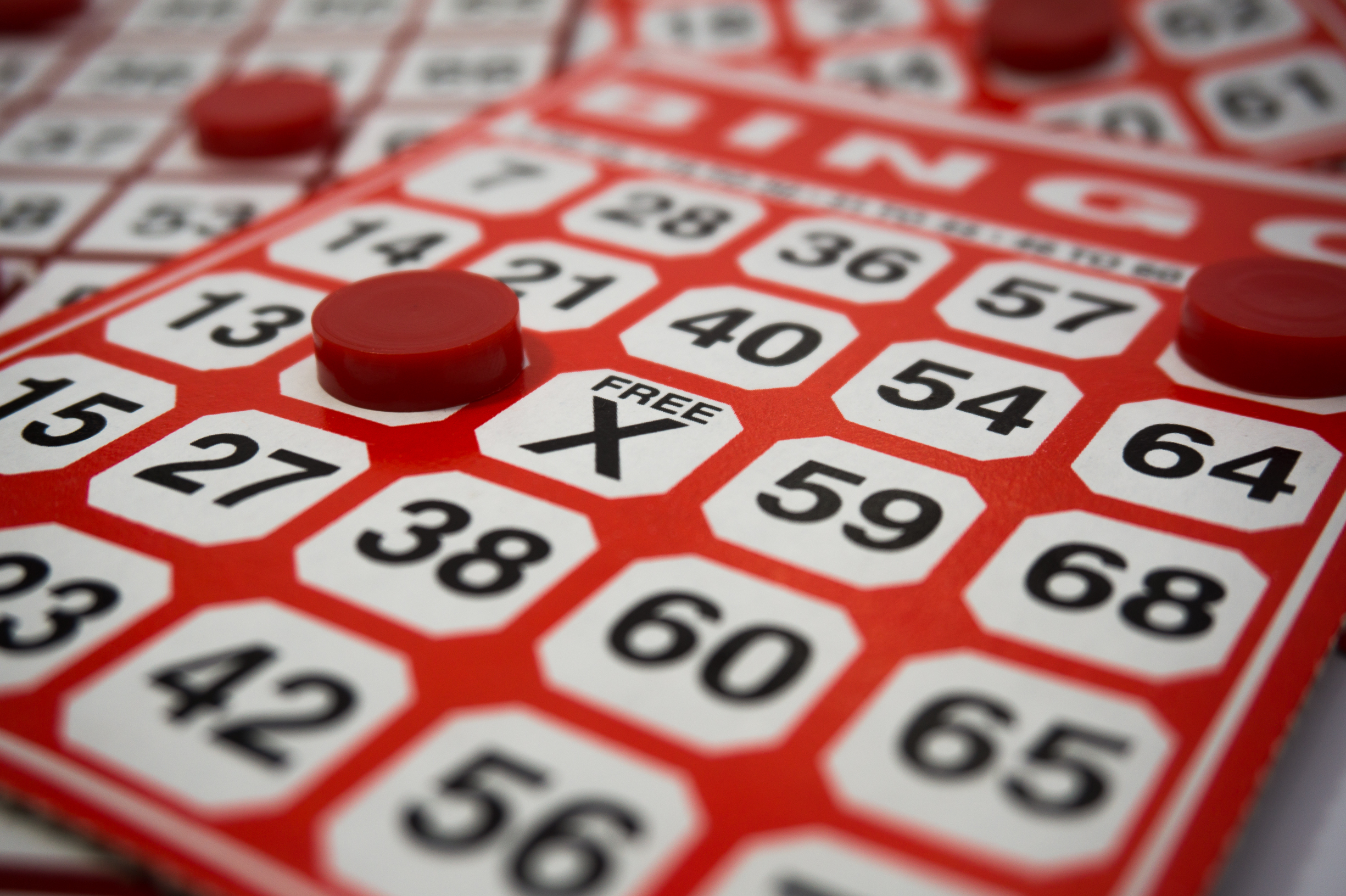
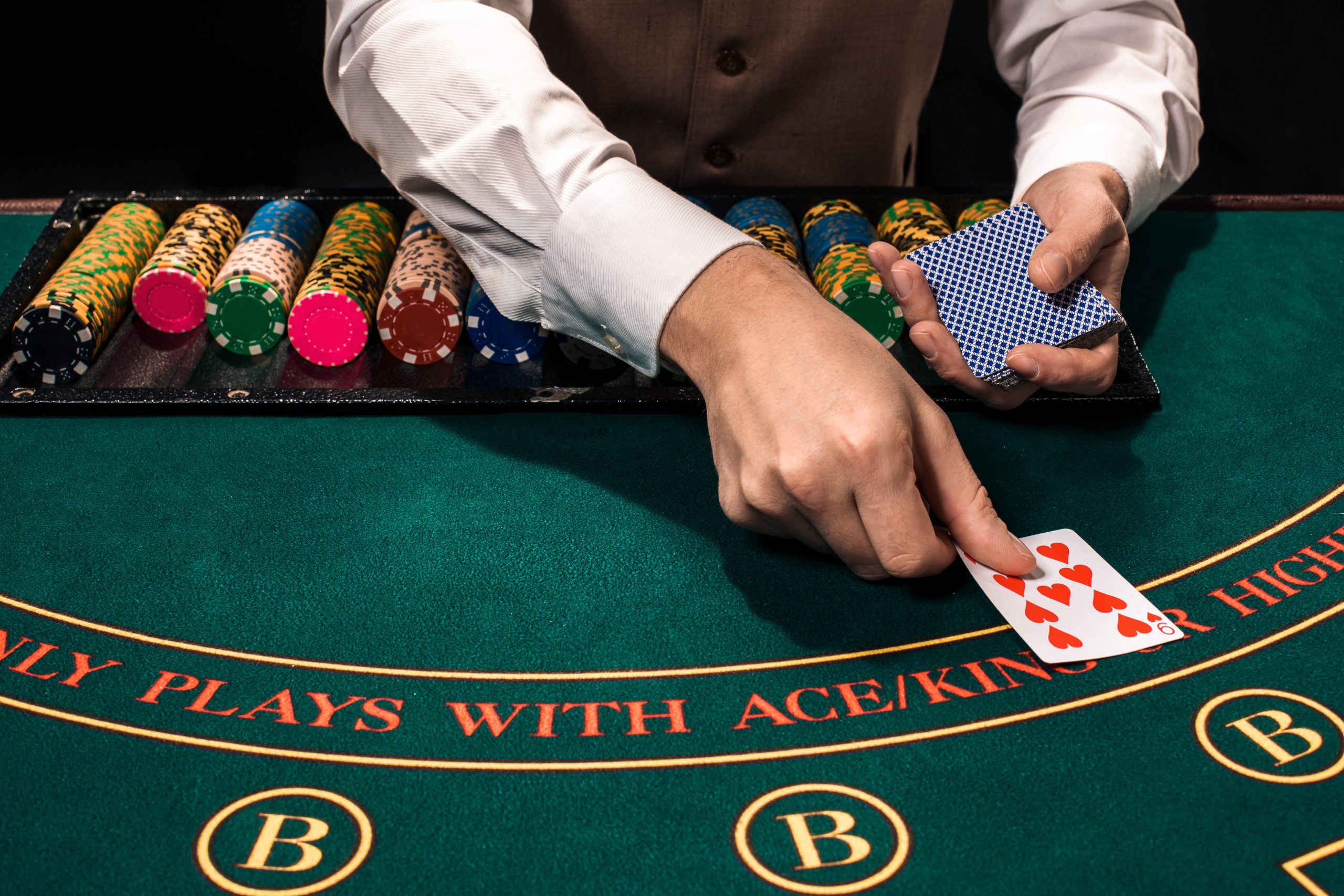
Charitable Gaming means lottery schemes which are licensed and operated to provide benefit to charitable or religious organizations. Bingos, Texas Hold'em Poker Tournaments, Monte Carlo's, Breakopens and Raffles are the types of lottery schemes that are be considered charitable gaming.
The proceeds of these activities must benefit a charitable organization, as per Section 207 of the Criminal Code of Canada. The proceeds from such gaming must be used for approved charitable or religious objects and purposes.
In general, the use of proceeds is based on eligibility – if the organization is eligible, it may use the proceeds for its charitable purpose.
The licensing authority must also be satisfied that it is only carrying out charitable activities and those charitable activates fall within the organization’s objects. The test of charitableness is both a legal one and a factual one.
The Criminal Code of Canada does not provide guidelines on some key terms, such as charitable purposes, to which proceeds raised by charitable gaming activities must be applied. IGR, therefore, has adopted common law principles which have been used by the Supreme Court of Canada. These principles identify four categories of classification used to determine what constitutes a charitable or religious object or purpose:
|
1. Relief of Poverty |
|
|
2. Advancement of Education |
|
|
3. Advancement of Religion |
|
|
4. Other Purposes Beneficial To The Community |
(see Eligibility & Use of Proceeds for detailed criteria)
A BRIEF HISTORY OF GAMING IN CANADA
Year |
Event |
| 1892 | Criminal Code of Canada enacted. |
| 1901 | Exemption for raffles at any bazaar held for charitable and religious objects. |
| 1906 | The phrase “lottery scheme” inserted into the Code. |
| 1909 - 1910 | Select Committee of House of Commons convened to inquire into horserace betting. |
| 1910 | Betting limited to horserace tracks. |
| 1917 | Order-in-Council suspends betting as “incommensurate” with war effort. |
| 1919 - 1920 | Royal Commission in [sic] Racing Inquiry convened to examine horserace betting. |
| 1920 | Racetrack betting reinstated using pari-mutuel system. |
| 1922 | Offence created for betting on dice games, shell games, punchboards, coin tables, or wheels of fortune. |
| 1925 | Select games of chance including wheels of fortune permitted at agricultural fairs and exhibitions. |
| 1938 | Gambling on the premises of bona fide social clubs permitted if operators did not exact a percentage of the stakes. |
| 1954 | Game of three card monte added to the list of prohibited games. |
| 1954 | Special Joint Committee of
House of Commons & Senate convened to
examine need for law reform in regard to
lotteries. Recommends no state lotteries but
calls for greater clarity in existing
provisions. |
| 1969 | Federal & provincial
governments allowed to conduct lotteries,
broadening of charitable gambling under
provincial licence, continuation of exemption
for fairs and exhibitions. |
| 1973 - 1985 | Federal – provincial conflict
over authority to conduct lotteries. |
| 1985 | Provinces delegated exclusive
authority to manage and conduct lotteries and
lottery schemes, including games conducted via
a computer, video device, or slot machines.
Betting on horse races via telephone
permitted. |
| 1998 | Prohibitions against dice games removed from Code. |